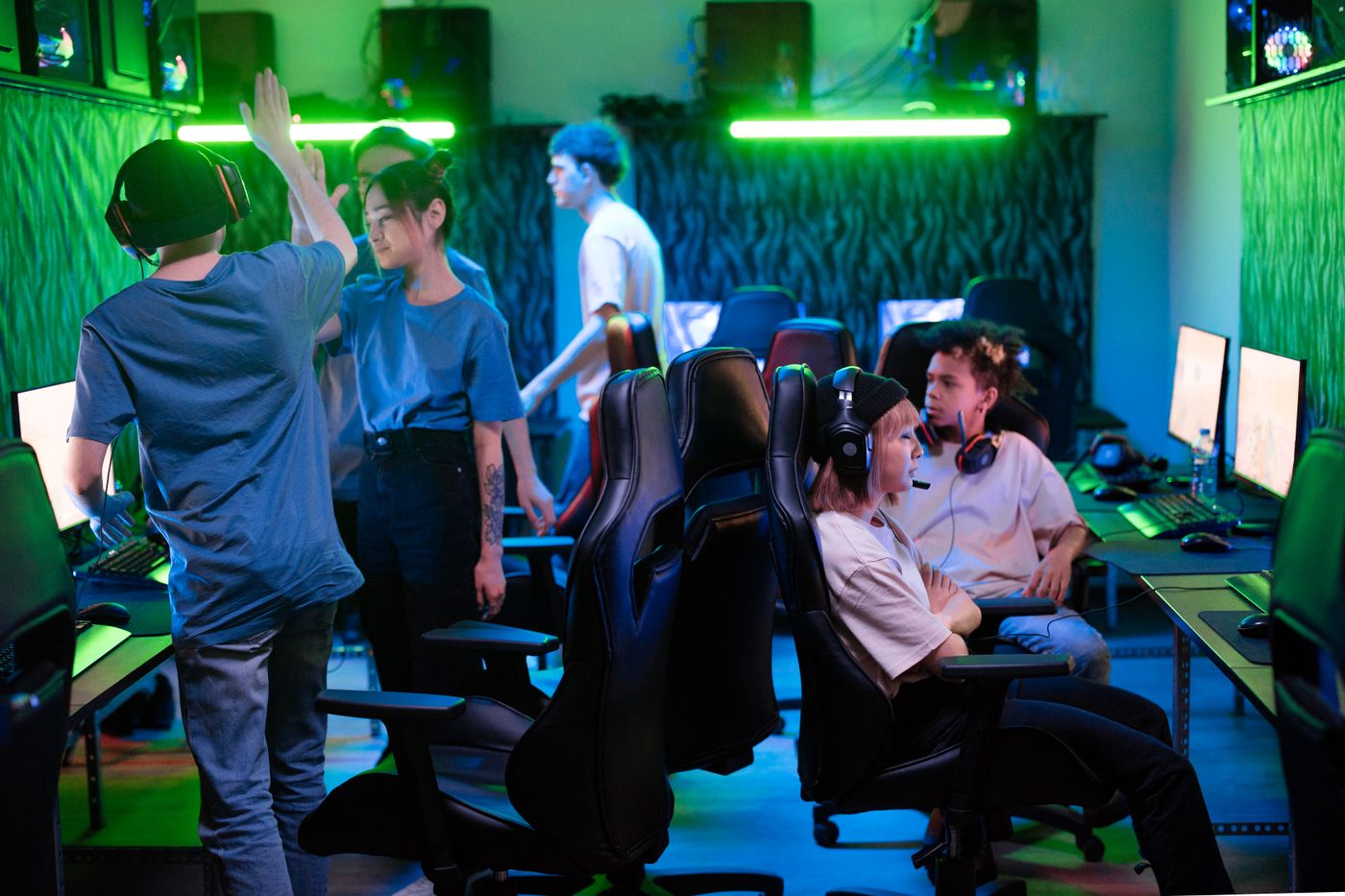
Almost every player who walks into Tiltproof says the same thing in the assessment call: "I play worse in ranked than in scrims, and I don't know why." Coaches hear it so often we have a name for it — queue fear — and a fairly strong opinion about it: it is not a courage problem. It is a systems problem.
Ranked anxiety thrives on ambiguity. No warm-up, no queue limit, no definition of a good session beyond the color of the arrow. So every game becomes a referendum on your worth, and your nervous system responds accordingly — tight hands, short patience, fast queues after losses.
Give the session a shape
Our fix starts boring on purpose. Every Tiltproof player gets a written session template: a ten-minute warm-up, a two-game block, a five-minute review, then a decision — continue or stop, made before queueing game three. Anxiety drops because the session has edges. You always know where you are in it.
Anxiety drops the moment the session has edges. You always know where you are in it.
Then we add the two-loss rule: two defeats in a row ends ranked for the day, automatically, no debate. Players resist this until they see the data — their third-game-after-two-losses win rate is almost always their worst stretch of the week. The rule does not cost LP. It saves it.
Review the queue, not just the games
Finally, we review queue behavior in VOD sessions alongside gameplay. When did you queue angry? Which loss actually started the spiral — the throw, or the instant re-queue after it? Most players discover their ranked anxiety is really three bad habits wearing a trench coat. Habits can be scheduled away. That is the whole job.
If your stomach turns when the queue pops, you are not broken and you are not soft. You are unstructured. Book an assessment week and we will build you the structure.